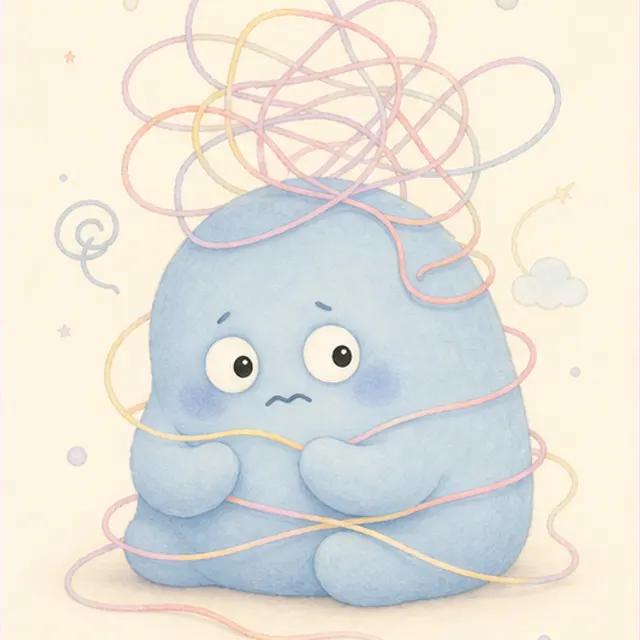
Result profile
The Shelter
Even in a crowd, wants to leave room for one person to talk

Even in a crowd, wants to leave room for one person to talk.
- One-on-one support
- Patient listening
- Asks what's needed
- Keeps a boundary
Result profile
Even in a crowd, wants to leave room for one person to talk
Even in a crowd, wants to leave room for one person to talk.
Everyone's chatting away, but you're the one who notices a friend seems to have something unsaid, and wants to set aside a separate moment to listen. This time your answers lean toward the Shelter: instead of organizing the whole group, you're more likely to offer one-on-one company first.
Sometimes what someone needs is to tell the whole thing from the start, not to get advice right away. When you're ready to listen, you can ask how they'd like to be supported, instead of guessing everything from their expression. And if they don't want to talk right now, that's fine too — you don't have to press just because you care.
Next time, try: "I've got twenty minutes and I can really listen right now. Do you want me to just listen, or think through next steps together?" That makes your company something you can actually give, and lets them know how much time there is today. When you do need to go, say so, and mention whether you can find another time — you don't have to promise to always be available.
Someone else's decisions, conflicts, and what happens next still belong to them. You can care about how it's going without treating the outcome as your responsibility. This card is here to protect the space you give other people — and also your own rest. Support needs a boundary, or it ends up running on you instead.
This quiz is original entertainment and self-exploration content. It only reflects this round of choices, and does not represent a fixed personality, ability, psychological diagnosis, or relationship match.
EXPLORE / 05
Every outcome has a story. Explore another perspective and see what resonates.
Currently reading The Shelter
Browsing opens result articles. It does not retake the quiz or recalculate a score.