Result profile
Five Nut
Takes a conversation deep, and leaves room for other flavors too
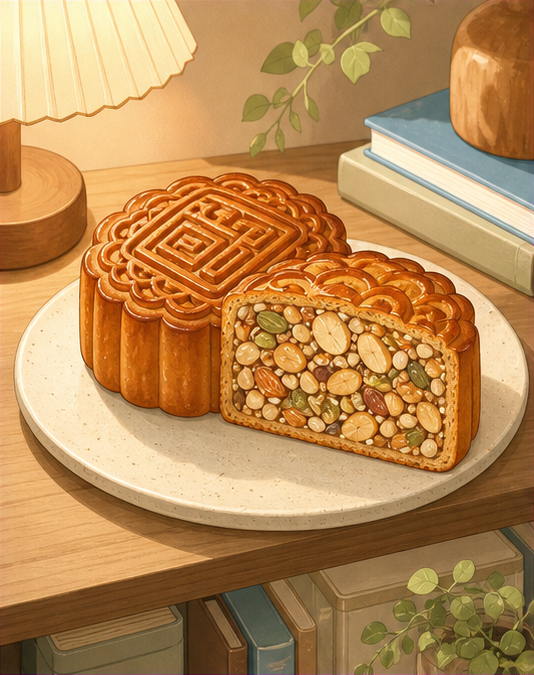
I want to know more, but I'll ask first if you want to keep talking.
- Goes deep
- Notices nuance
- Asks why
- Knows when to stop
Result profile
Takes a conversation deep, and leaves room for other flavors too
I want to know more, but I'll ask first if you want to keep talking.
The five nut's story keeps the camera on a long, careful conversation. Your picks leaned toward asking someone to explain themselves, comparing differences, holding onto the interesting part of a conversation. This kind of participation can take a gathering past surface-level updates - but it isn't a score for how smart or deep you are. Someone chatting lightly might just be resting in a different way tonight.
The same thing can land differently for different people. Asking how someone arrived at their view usually keeps a conversation moving better than rushing to agree or disagree. You don't need a full argument ready to take part - you can also just say what you don't know yet, and let the conversation become something you explore together.
Some people want to go deep; some just want to drop a small piece of news. If every answer gets chased with another question, the other person might start feeling like they owe more explanation than they meant to give. What this role needs to watch is whether your curiosity actually fits the mood of the moment, not just how worth-exploring the topic is.
You could say: "I'm curious about this - want to keep talking, or should we eat first?" If they're up for it, pick the one thing you genuinely want to understand, instead of opening several threads at once. If they'd rather stop, you can hold onto the question for another time.
Afterward, keep one line that made you see something differently, instead of tallying how much you learned tonight. Different flavors can share the same table without every one of them getting fully picked apart. Your wish to go deep, and the other person's wish to stay light, can both be seen at the same table.
This story is put together from situational choices, for entertainment and self-exploration only; flavor doesn't determine personality, and it doesn't stand for a fixed social role.
EXPLORE / 06
Every outcome has a story. Explore another perspective and see what resonates.
Currently reading Five Nut
Browsing opens result articles. It does not retake the quiz or recalculate a score.