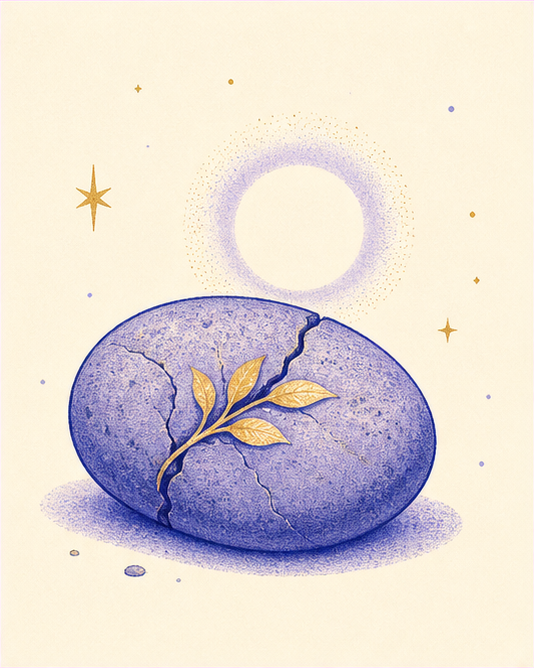
抽到的一頁
Keep the Point to a Line or Two
A boundary or an explanation doesn't necessarily need to keep getting longer.
A boundary or an explanation doesn't necessarily need to keep getting longer.
- Say it plainly
- Keep the point
- Stop adding on
抽到的一頁
A boundary or an explanation doesn't necessarily need to keep getting longer.
A boundary or an explanation doesn't necessarily need to keep getting longer.
reading
If you've already explained that it doesn't work for you, you can check whether the paragraphs after that are actually adding anything new. This page isn't telling you to skip a necessary responsibility or brush someone off — it's just a reminder that sometimes one clear sentence is already enough to be understood.
Is it clarifying a condition that affects the plan, or is it trying to make sure the other person isn't disappointed at all? The first might be needed; the second usually can't be achieved with more words. The other person is allowed to feel however they feel, and you're allowed to keep things within a reasonable scope — you don't need a whole essay of reasons to earn everyone's agreement.
For example: "I can't join this week — I want to keep the weekend for rest. Thanks for thinking of me, let's find a good time later." If they raise an actual concern, respond to that specific point, rather than pre-loading a defense for every possible reaction. This random page doesn't rule on how much you should say — it just lets the words go back to serving the point, with a little less added on just to feel safe.
A randomly drawn, original reflection page, for entertainment only; it doesn't predict the future or make major decisions for you. Skip whatever doesn't fit your situation right now.
EXPLORE / 200
Every outcome has a story. Explore another perspective and see what resonates.
Currently reading Keep the Point to a Line or Two
Browsing opens result articles. It does not retake the quiz or recalculate a score.