Result profile
The Comforter
Wanting the two of you to have time together again

Wanting the two of you to have time together again.
- Values closeness
- Invites time together
- Checks willingness
- Listens in person
Result profile
Wanting the two of you to have time together again
Wanting the two of you to have time together again.
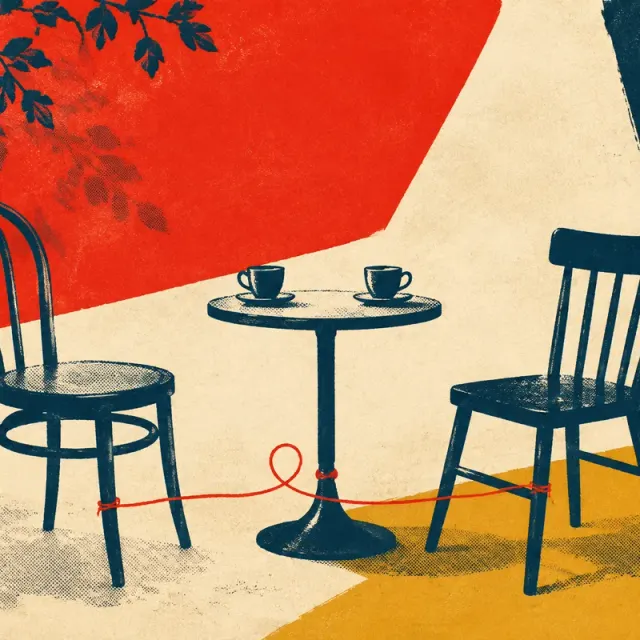
When things go tense, you might really want to find somewhere to sit and just listen, so the two of you can have a stretch of ordinary time together again. Your answers lean toward the comforter — the name is about how you open the repair, not a sign that touch is always the right move.
Some people want to meet up; right now, others find it exhausting just to sit in the same room. Your wish to warm things back up only has room to happen if they want it too. Asking whether they'd like company, and what kind, respects what they need more than reaching for a hug on your own.
Next time, try: "That thing earlier is on me to own. Would you let me sit here and listen? If you'd rather not meet, a message is fine too." If they say yes, let the conversation stay on the impact for a while — don't rush to joke the awkwardness away.
Easy conversation again doesn't mean the original problem is solved. After you talk, check in on one thing that still needs to change, and connect the togetherness to what comes next. This card is a reminder: treasure the moment you're close again, but also let them still be upset, still have more to say, without needing everything to look normal right away just because you made up.
This quiz is original entertainment and self-reflection content. It only sums up this round of choices — it isn't a fixed personality type, a skill rating, a clinical diagnosis, or a relationship match.
EXPLORE / 05
Every outcome has a story. Explore another perspective and see what resonates.
Currently reading The Comforter
Browsing opens result articles. It does not retake the quiz or recalculate a score.