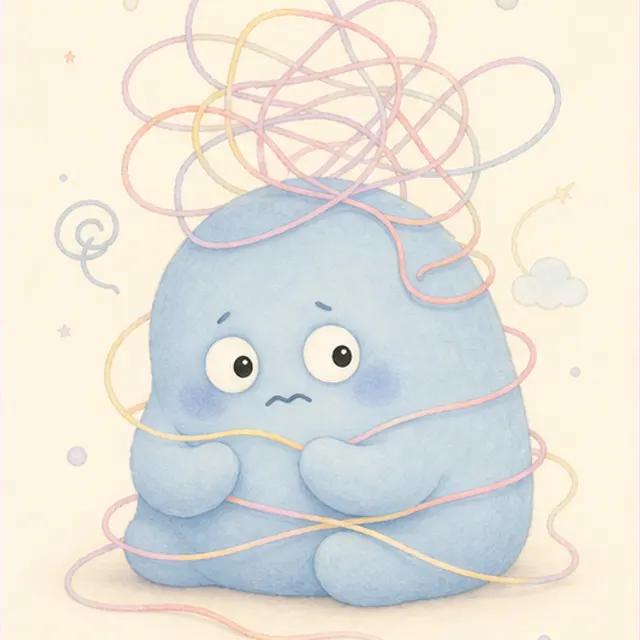
I said yes out loud, but I hadn't agreed inside yet.
Carries needs quietly inside
Tends to go along first
Rarely refuses on the spot
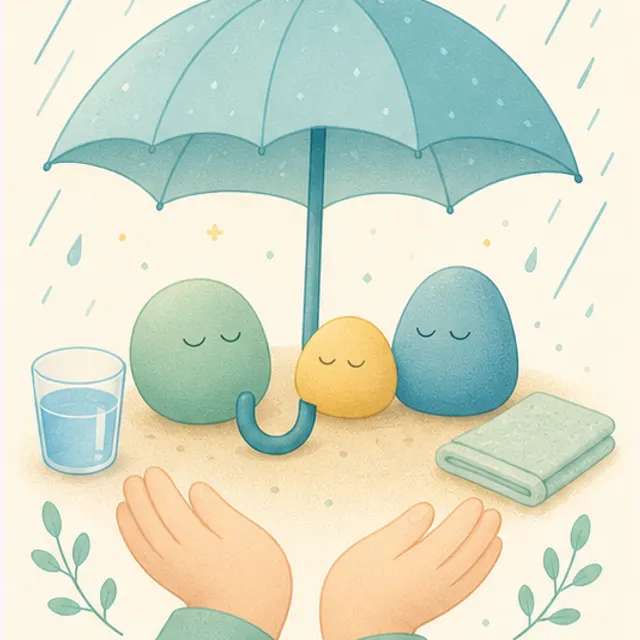
Needs room before answering
Takes time to confirm what it wants
Your boundary in the moment
When the invitation comes, you're already exhausted, but you say "sure" before anything else. The other person starts happily working out the details, and only then do you start wondering: if you'd said you wanted to rest, would that have ruined the mood? This choice leans toward a soft hedge: you tend to go along first, and you're less likely to let the other person know that the yes just crowded out something you actually needed.
Where you might be getting stuck
Sometimes it's not that you have no opinion — it's that your answer comes out too fast. By the time you notice the discomfort, things are already arranged, and taking it back feels even harder. The other person may genuinely not realize you're stretching yourself thin, so they keep expecting things based on that "sure."
The pull worth noticing
Staying quiet can make the moment a little less awkward, but it can also leave the discomfort for your later self to deal with. Your willingness to go along doesn't need to be dismissed — but you also deserve to be part of the decision, not just someone who gets to tend to their own feelings after it's already over.
Something to try next time
Practice one line that doesn't commit right away: "Let me check my schedule, I'll get back to you tonight." Then actually follow up, instead of pushing the hard part further down the road. If you've already agreed, you can also say: "I answered too fast earlier — I checked, and I actually can't. Wanted to tell you now." Start with one small thing; you don't have to fix every relationship at once.
One line for you
Pausing before you answer isn't about letting someone down — it's about making your yes actually match what's in you. How hard that is to say out loud can also differ depending on who's asking.
This quiz is for entertainment and self-reflection only, not a psychological diagnosis.
EXPLORE / 04
Meet the other possibilities
Every outcome has a story. Explore another perspective and see what resonates.