Result profile
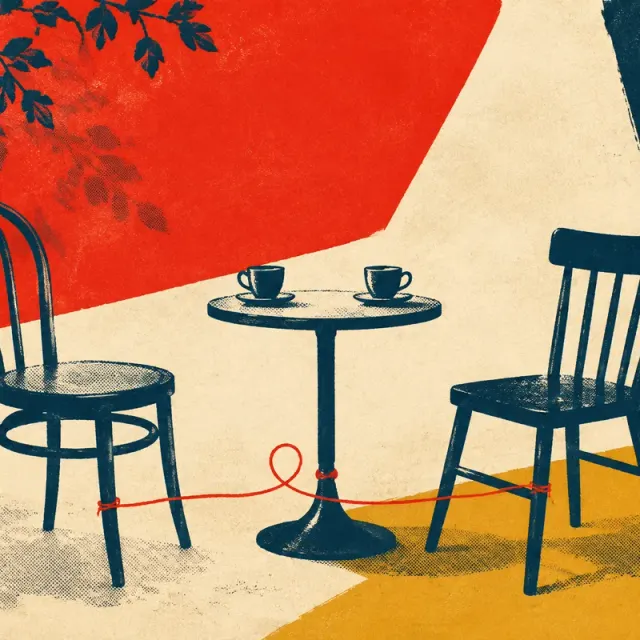
The Time-Keeper
Setting aside a stretch of time, uninterrupted, for you

Setting aside a stretch of time, uninterrupted, for you.
- Fully present
- Makes time
- Shares the experience
Result profile
Setting aside a stretch of time, uninterrupted, for you
Setting aside a stretch of time, uninterrupted, for you.
When they want to talk about what's been going on, you might first check which block of time you can clear so this time together doesn't keep getting cut up by notifications. Your answers this time lean toward the time-keeper: care isn't a stream of words every minute, it's actually sharing the same stretch of time.
The value of being present might come more from being focused than from staying longer. If you're staying out of obligation while half your mind is on something unfinished, you can both end up distracted. Saying up front how long you can stay actually makes the limited time feel more solid. Even thirty minutes can be a deliberate choice to give someone.
Try: "I've got half an hour tonight, and I want to spend it with you properly. Do you want to talk, take a walk, or just do our own things in the same room?" Don't assume your ideal way of being together is automatically what they need—some people want to talk, some just want to know someone's nearby.
When the time's up, say what comes next, and set up another time if you need to—rather than dragging it out because leaving feels awkward. This card is a reminder that keeping your time together a space both people actually want, rather than handing over your whole day, is what lets you keep showing up like this.
This quiz is original entertainment and self-exploration content. It only reflects this set of choices, and does not represent a fixed personality, ability, psychological diagnosis, or relationship compatibility.
EXPLORE / 05
Every outcome has a story. Explore another perspective and see what resonates.
Currently reading The Time-Keeper
Browsing opens result articles. It does not retake the quiz or recalculate a score.