That familiar moment
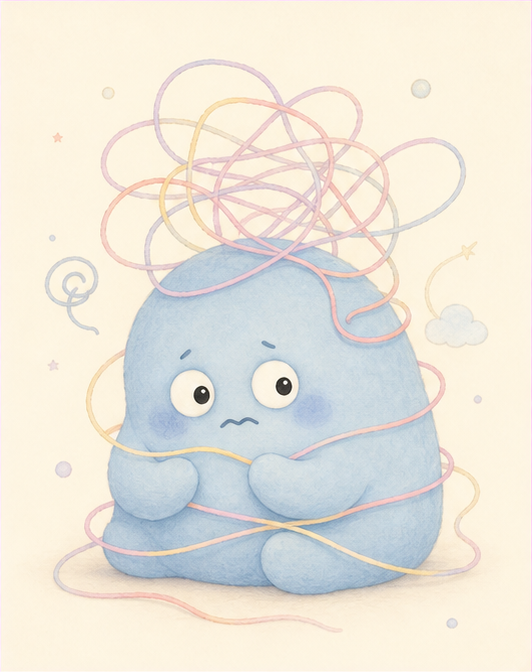
The email's already sent, but you click back into Sent anyway. First pass, you check the tone. Second pass, the attachment. Third pass, one line suddenly feels too cold. Nothing on screen has changed, but the version in your head keeps updating. Going by your answers, when stress hits, you tend to go back to something that already happened, trying to land on an explanation that lets you relax.
What you're really trying to save
The Replay Beast is trying to bring down the uncertainty of "did I miss something." Going back over it can genuinely catch mistakes sometimes; the trouble is that someone else's tone, or a reply that hasn't come yet, usually can't be solved by looking one more time. When no new information has come in and you're still turning it over from a different angle, the thinking starts eating into time that was supposed to be rest.
The tail it tends to leave behind
You might think that thinking it through just a little more clearly will let you finally let go. But every time you land on one explanation, another one shows up: maybe they're busy, maybe they weren't happy with it, maybe you should add one more line. What's worth noticing here isn't how long you've been thinking, but whether this round actually made the next step any clearer. If the answer can still only come from the other person, you don't have to write the whole narration for their silence yourself.
A different move for next time
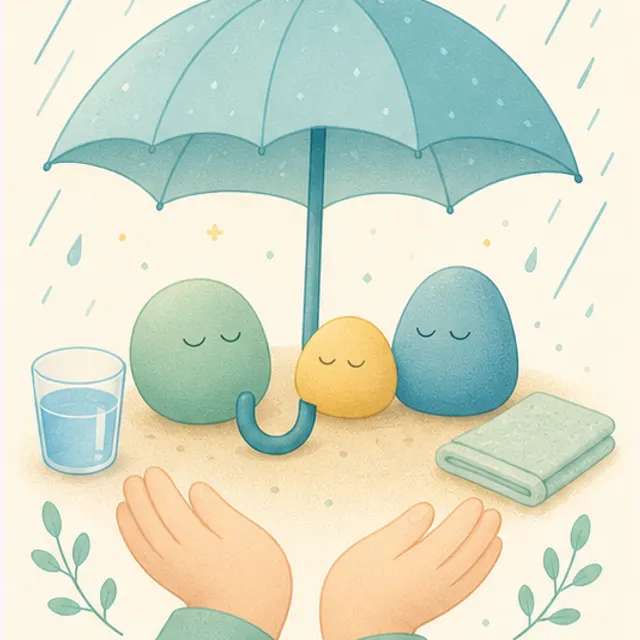
On paper, split it into "what I know" and "what I'm guessing." The first column only gets things you can actually see, like "they haven't replied yet." The second gets things like "they might be unhappy." Then pick one thing you can actually do: check in again tomorrow morning, ask one specific question, or leave it here. Put a time on the checking-in, and you won't have to be on call all night.
Something you can just say
"I'm not sure what you meant by that — which part would you like me to change?" That gives you a better shot at actual new information than another round of guessing. If there's no one to ask right now, you can also just tell yourself: "No new clue this round. I'll look again tomorrow." This beast describes how you tend to react right now, not something you'll do every single time — noticing one moment where you can stop is already enough to see a different way through.
This quiz is for entertainment and self-reflection only, not a clinical diagnosis.