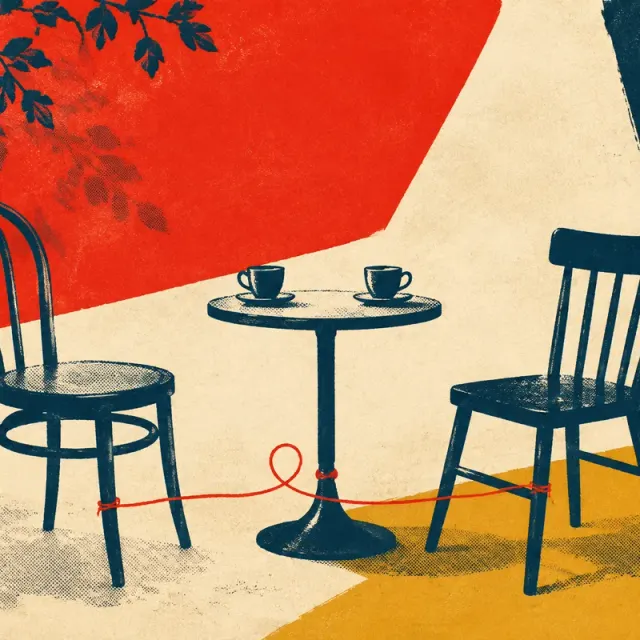
Result profile
The Manager
The less certain you feel, the more you want to lock the plans down

The less certain you feel, the more you want to lock the plans down.
- Adds rules
- Wants certainty
- Negotiates plans
- Keeps autonomy
Result profile
The less certain you feel, the more you want to lock the plans down
The less certain you feel, the more you want to lock the plans down.
When you're anxious, you might think of asking them to check in first, change plans, or set a fixed rule just so you can feel steady. This time your answers land closest to The Manager — wanting to lower your own uncertainty by adding limits on your own; this doesn't include everyday plans the two of you agree on together.
Knowing when you're meeting and agreeing on how to stay in touch can genuinely help life run smoother. But if you try to fill every gap with one more rule, their choices keep shrinking, and you might still have another thing you want confirmed next. Whether a rule actually helps depends on whether you both agree to it, not just on whether it makes one of you feel calmer.
Do you actually want them on time, want to know about last-minute changes, or want to hear that you matter? These can be talked about separately — they don't all have to turn into your friend needing your approval for every social plan. Concrete effects are worth explaining; worries about the unknown need to be checked against the facts.
You could say: "I'd like a set block of time together, but I don't want to decide your other plans for you. Which day this week works for both of us?" If they suggest a different rhythm, look for something sustainable together, instead of reading disagreement as not loving you enough. Your own boundaries can be stated too — just not chosen for someone else.
Notice the moments where you can still trust each other based on how you actually interact, even without controlling every detail. This card isn't diagnosing a controlling streak, and it isn't passing judgment on the relationship. It's just pointing at one adjustable direction: say the need clearly, and let the plans be decided by both of you together.
This quiz is original entertainment and self-exploration content. It only summarizes this set of choices, and does not represent a fixed personality, ability, psychological diagnosis, or relationship match.
EXPLORE / 05
Every outcome has a story. Explore another perspective and see what resonates.
Currently reading The Manager
Browsing opens result articles. It does not retake the quiz or recalculate a score.