Where your weather shows up
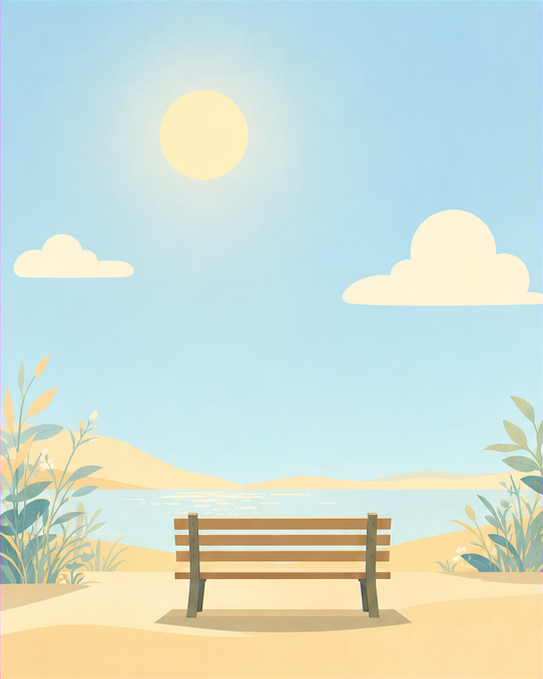
You just got the text canceling plans, and you're disappointed, honestly not really in the mood to reply. Then you head out to run an errand, spot something you feel like eating for dinner, and your mood has a little more room in it. By evening, you still remember it, but it hasn't taken over the whole day. Based on your answers, in these situations your feelings tend to ease up on their own, letting your attention come back to the life in front of you.
Where this gets misread
Bouncing back quickly might make people assume it never really affected you, and you yourself might not feel like reopening a conversation about a feeling that's already faded. That's often fine, not every letdown needs to be discussed. But if the same kind of thing keeps bothering you and you keep letting it go quickly each time, other people lose the chance to understand where your limits actually are.
Two things worth telling apart
"I'm not as upset now" and "I'm okay with how this was handled" can be two different answers. You don't have to stay angry to still bring up what you'd want changed next time. This result also doesn't mean you're more resilient, and it certainly doesn't mean you can always keep the people around you at ease; it just shows that, in these situations, you tend to recognize the turn where a feeling starts to settle.
A way to say it that people can follow
Once things have settled, ask yourself two things: am I actually more at ease now? And is there still something I'd want the other person to know? If the answer to the first is yes and the second is also yes, say that second part on its own. Maybe next time you'd like more notice before plans change, or you don't want a certain private thing turned into a joke again. You can say it in a steady voice, you don't need to drag yourself back to the worst of the feeling to make the request carry weight.
One line to take with you
"I'm not that bothered anymore, but next time plans change last minute, I'd like to know earlier." If something lately has been harder to shake than usual, that doesn't disqualify you from being a Clear Sky type either. The weather is a description, not an image you have to keep up. Let yourself take longer this time, and maybe bounce back fast the next; more than always looking fine, what's worth holding onto is the room to notice how you actually are right now.
This quiz is for entertainment and self-reflection only, not a psychological diagnosis.