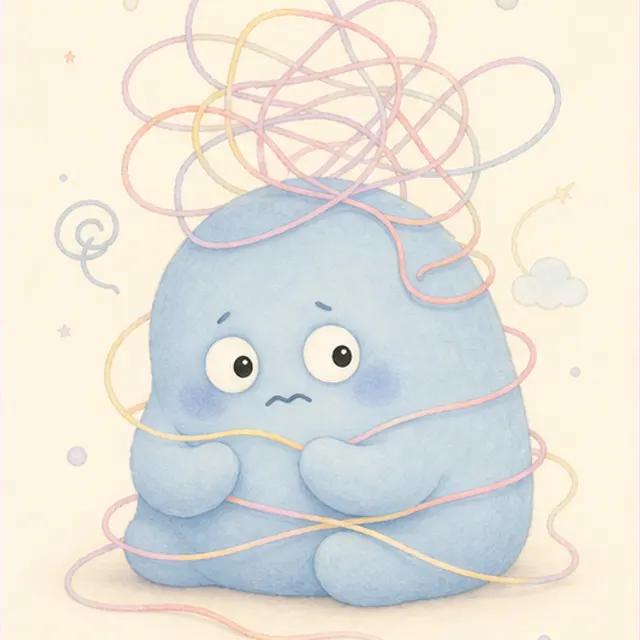
Result profile
The Late Snow Type
The day goes on as normal, and the feeling arrives days later
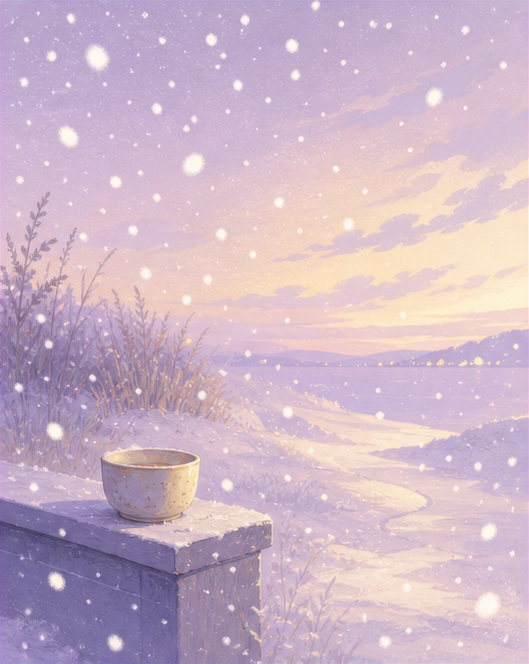
Realizing it matters to you late is still in time to say so.
- Delayed onset
- Unclear at first
- Clearer in hindsight
- Needs a follow-up
Result profile
The day goes on as normal, and the feeling arrives days later
Realizing it matters to you late is still in time to say so.
That day you paid, caught the bus, got home like always, even sent back a sticker in reply. The next day, in the shower, that one line suddenly comes back to you, and only then do you realize you actually felt hurt. The moment something happens and the moment you actually feel it aren't lined up on the same day. Based on this answer, your feelings tend to become clear after the event, not during it.
Saying "I'm fine" in the moment might be exactly how you felt right then, not something you said to hide anything. But to the other person, that conversation already feels closed; when you bring it up again days later, they might think you suddenly changed your story. That time gap needs to be explained, otherwise both sides end up arguing over whether things were made clear at the time, instead of talking about the feeling that's only now surfaced.
Feeling something later isn't the same as deliberately sitting on it. This result doesn't mean your reactions are more mature, and it doesn't mean you're necessarily composed in conflict either. It just points out that your answers tend to follow a delayed-noticing rhythm. Compared to knowing right away that something's bothering you, the key thing about late snow is this: it's not obvious at the time, and only afterward do you slowly realize what that moment actually meant to you.
When an important conversation ends, you don't have to rush to a final read on how you feel. Saying "let me sit with this, I'll see tomorrow if there's anything I want to add" leaves room for later. When the feeling does show up, note which specific moment it connects to, then decide whether it's worth bringing up again. And if nothing new comes up, that's fine too, you don't have to force yourself to dig up something to be bothered about every day.
"I really didn't feel it that day, it was only later that I realized that line hurt. I wanted to bring it up, and hear what you actually meant." When you bring up something old, be clear about what you need now, maybe to be understood, to clear up a misunderstanding, or to agree on doing it differently next time. A feeling that arrives late doesn't need to get louder to earn its place; give it a specific starting point, and give the other person time to understand it again too. This weather changes, you don't have to feel things on the same schedule every time.
This quiz is for entertainment and self-reflection only, not a psychological diagnosis.
EXPLORE / 05
Every outcome has a story. Explore another perspective and see what resonates.
Currently reading The Late Snow Type
Browsing opens result articles. It does not retake the quiz or recalculate a score.