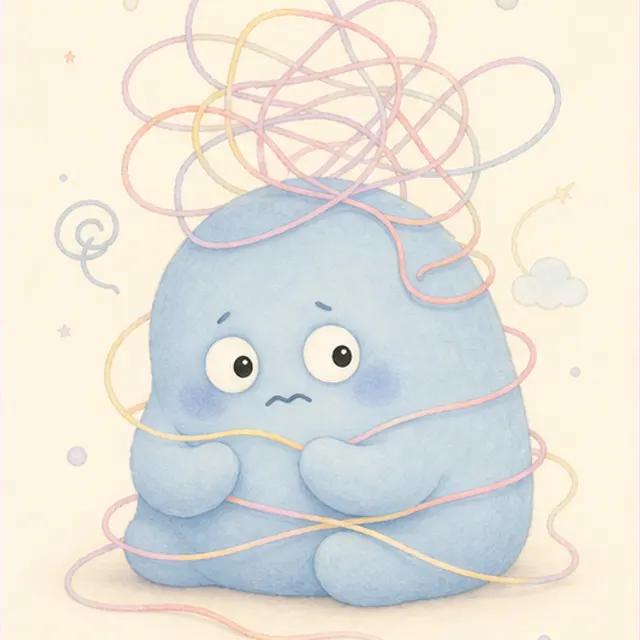
Result profile
The Typhoon Type
The feeling arrives, and your voice and face catch up fast

By the time you've calmed down, the other person might still need a moment.
- Surfaces fast
- Visibly expressed
- High intensity
- Watch the aftermath
Result profile
The feeling arrives, and your voice and face catch up fast
By the time you've calmed down, the other person might still need a moment.
You've barely said "there's something I want to talk about" before your pace picks up. You meant to lay it out calmly, but by a certain sentence, your eyes, your hands, or your volume have already filled in the feeling for you. Based on this answer, your emotions tend to surface quickly and move into words easily; people around you usually don't need to wait until the next day to know this mattered to you.
You might just be trying to get the whole thing out, but the other person picks up on the intensity first and feels like they have to explain themselves or push back immediately. Once both sides start talking over each other, the one sentence you actually wanted them to hear gets buried under the volume. Being visibly upset doesn't mean you meant harm, and it doesn't guarantee that saying it out loud makes things better either; what you say, the timing, and whether the other person can actually respond all still shape how the conversation goes.
Feeling lighter after you've said it, and the matter actually being resolved, don't always happen at the same time. You might be ready to go to dinner while the other person is still stuck on one word you used. This result doesn't mean you always bounce back fast, and it definitely doesn't mean an outburst is proof of being emotionally healthy. What it points to is whether the people in the conversation can keep up as your feelings move forward.
Give a heads-up before you start: "I'm a little worked up right now and want to get this out clearly, do you have a minute to listen?" If you find yourself speeding up, try sticking to one event and one feeling, then pause and let the other person respond. If you need a break, say clearly when you'll pick it back up. This isn't about not having feelings, it's about giving what actually matters a chance to be heard.
"That came out harsher than I meant, I want to take that part back; what I really meant is that being left out of that plan hurt." If you've hurt someone, naming what you actually said helps more than just explaining how much you cared. Typhoon is just a metaphor for this answer; you can keep your speed of expression and still practice leaving one more pause in the conversation, to see if you can both hear each other more clearly.
This quiz is for entertainment and self-reflection only, not a psychological diagnosis.
EXPLORE / 05
Every outcome has a story. Explore another perspective and see what resonates.
Currently reading The Typhoon Type
Browsing opens result articles. It does not retake the quiz or recalculate a score.